
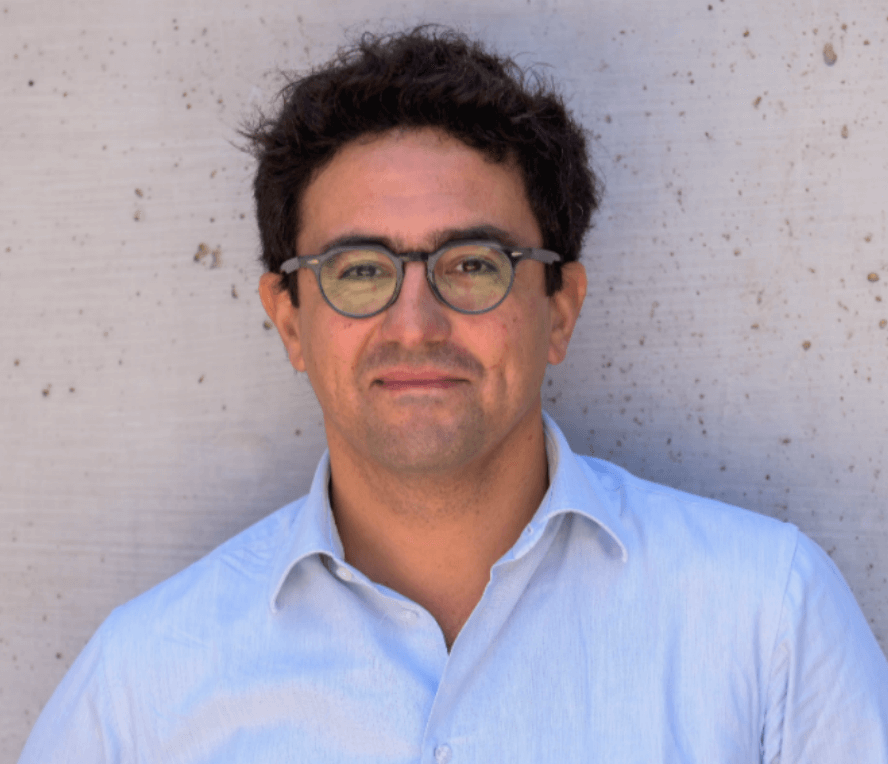
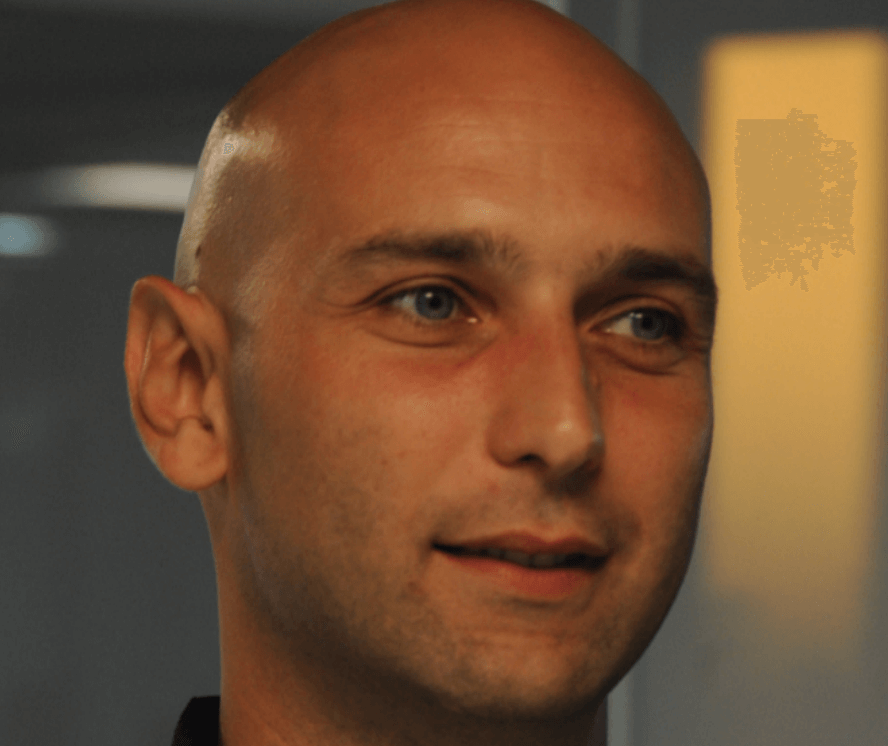
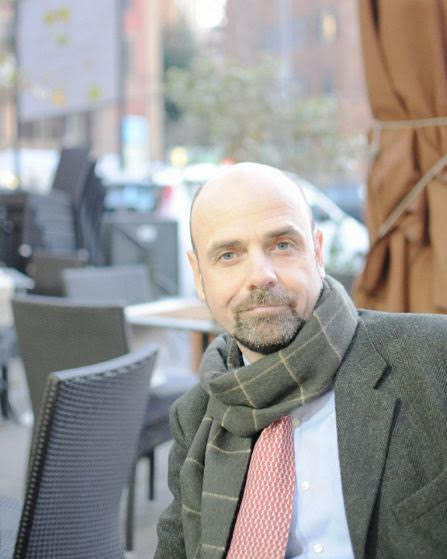
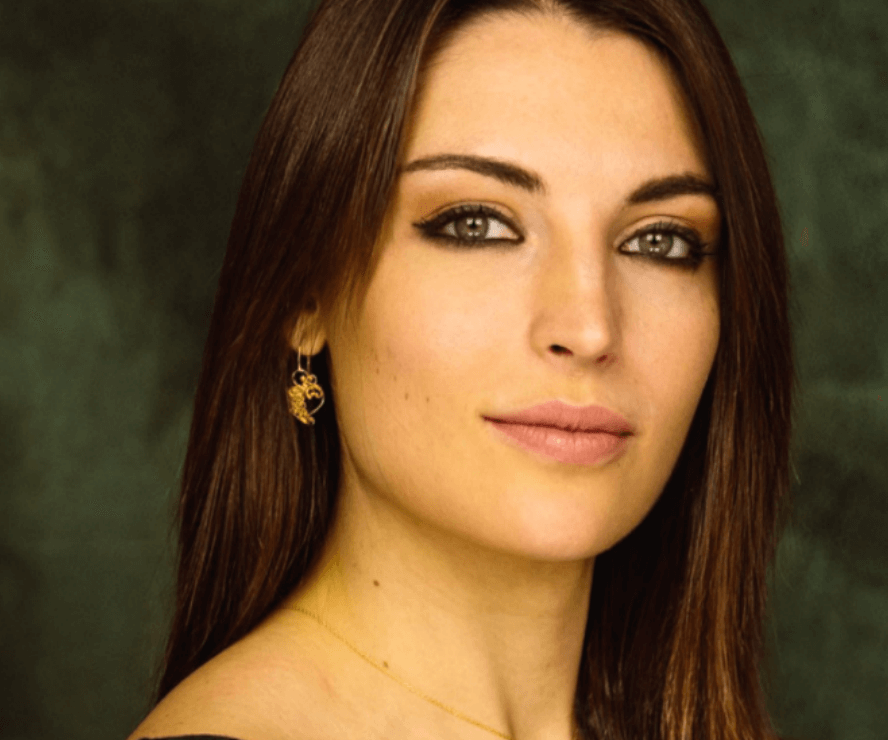
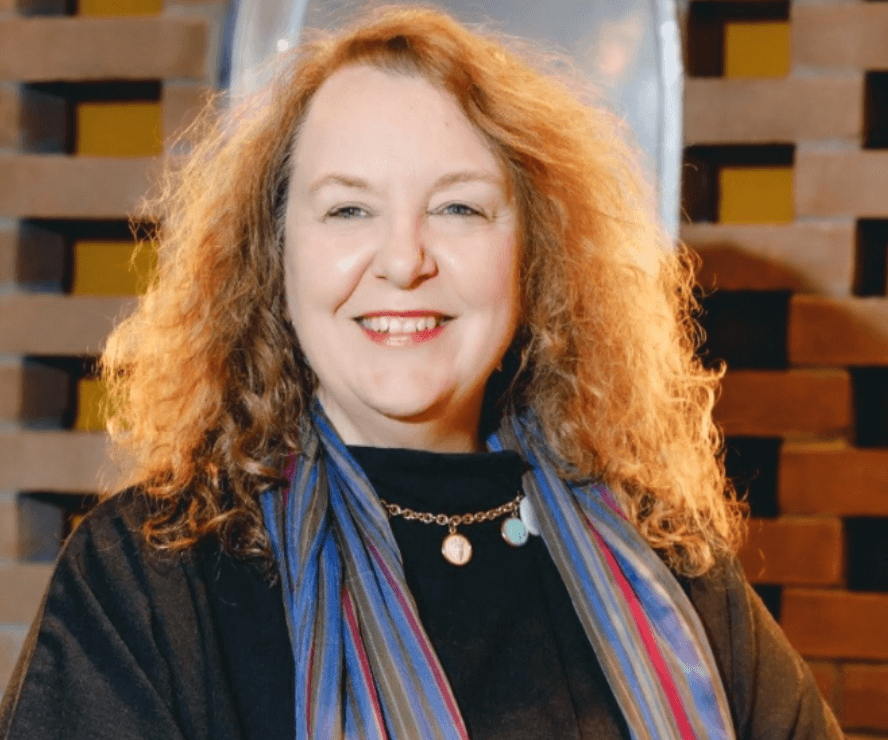
Over the last fifteen years he has worked on European affairs, technology, innovation, business, education and culture. A Member of Parliament from 2018 to 2022, he was rapporteur for the “Double Degree” bill and coordinator of two cross-party parliamentary groups, on artificial intelligence and on student guidance. Previously, from 2014 to 2016, he served as Chief of Staff at the Ministry of Education, Universities and Research. Before that he worked at the Ministry of Economic Development, where he coordinated the work that led to the first Italian law on start-ups, at the Ministry of Foreign Affairs, and at the Council of the European Union in Brussels.
He is currently Vice President for Social Impact at Translated and curator of the Festival of Contemporary Thought in Piacenza and of the Pratolungo Unconference.
He holds a PhD from the European University Institute in Fiesole and has taught at Sciences Po in Paris and at the LUISS School of Government in Rome. He has published three novels and the unauthorized “biography” of a law. He is the father of Marta and Matteo.
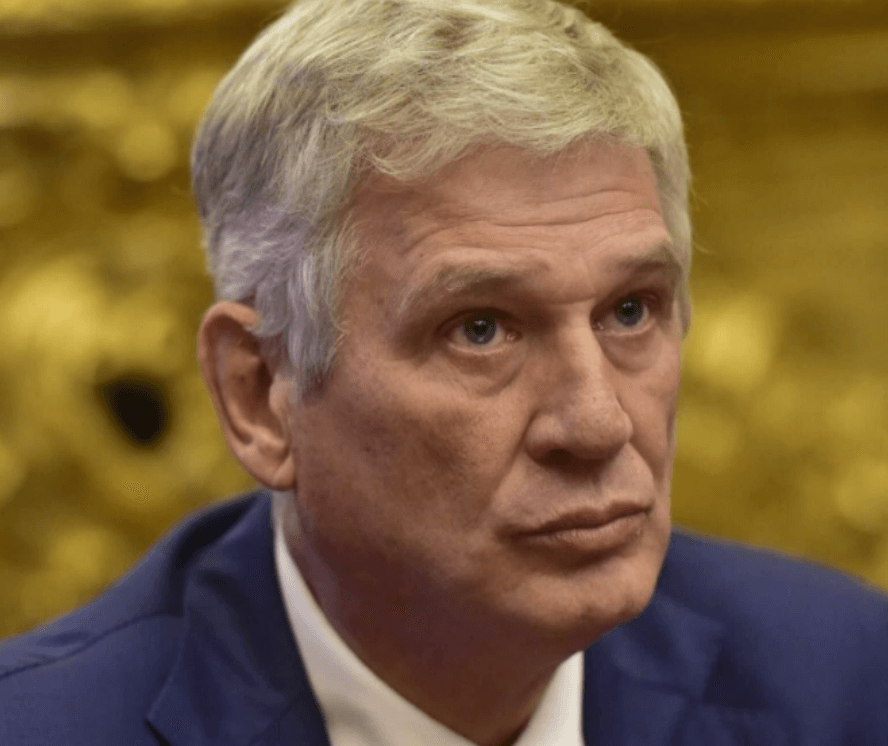
A career diplomat, he served as Italian Ambassador to Tunisia from 2009 to 2013 and to Germany from 2014 to 2018. He was Diplomatic Adviser to the Prime Minister Giuseppe Conte and Undersecretary to the Presidency of the Council of Ministers as well as Permanent Representative to the European Union. In 2023 he was awarded the title of Knight Grand Cross of the Order of Merit of the Italian Republic. He is currently a Professor at Università Cattolica in Milan, where he teaches “Contemporary Diplomacy in International Relations”, and a foreign policy commentator on television programmes.
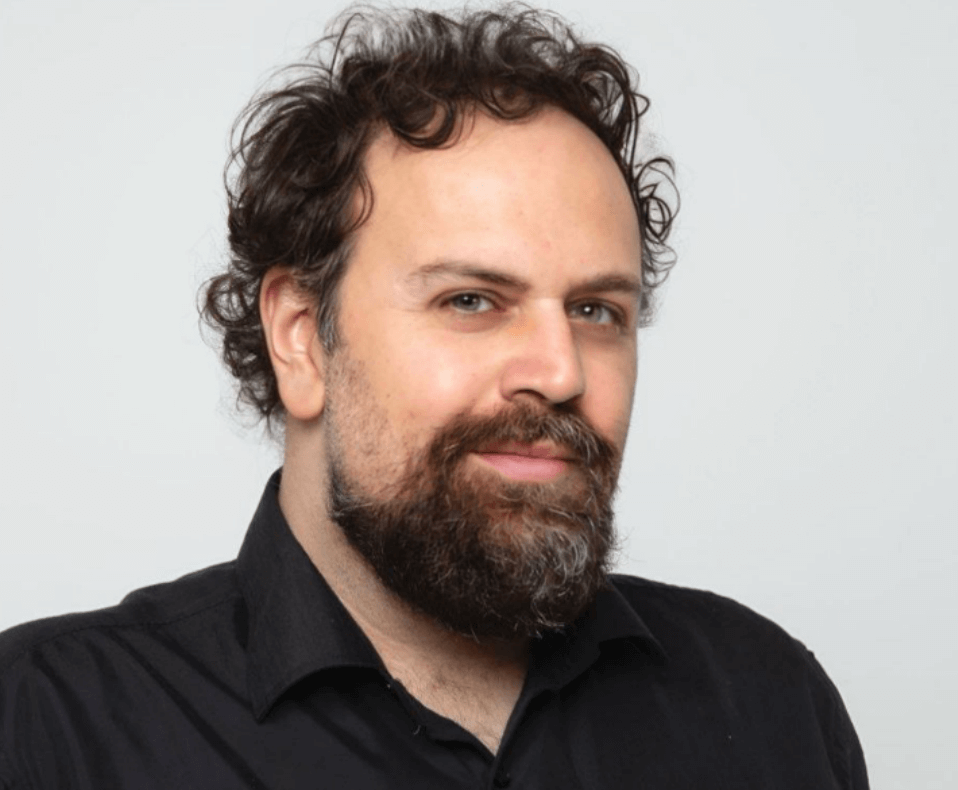
Publisher and writer, Lecturer in Prompt Thinking at IED in Rome and at 24Ore Business School, he is a research fellow in artificial intelligence and systems of thought at the University of Foggia. He is Philosophical Director of the Festival of Contemporary Thought in Piacenza and of the Carnival of Putignano, and the creator of the Italian Podcast Awards. He is co-founder of Tlon, a cultural factory, publishing house and bookshop. Together with Maura Gancitano he has written several books, the most recent of which is Botanica della meraviglia. Coltivare lo stupore alla fine del mondo (Harper Collins, 2025).
Psychologist and psychotherapist. Full Professor of Developmental and Educational Psychology at the University of Catania and Rector’s Delegate for University Counselling at the same university. Author of books, book chapters and articles in indexed international and national journals. Member of the Italian Association of Psychology. Her research focuses on cognitive and socio-emotional functioning in childhood and adolescence, emerging adulthood, adulthood and old age, with particular attention to attention processes, learning and learning disorders, language, soft skills and psychological well-being.
Founder and CEO of Soundreef, the first private music rights collecting society in Europe. He has revolutionised the copyright market, contributing to the liberalisation of a sector that, until 2017, was monopolised by SIAE. Today Soundreef manages the rights of over 48,000 authors, composers and publishers, including many iconic figures in music history and key players in contemporary charts in Italy and abroad. He is a member of Endeavor, a non-profit organisation that supports high-potential young entrepreneurs around the world. He has given seminars and taught at major Italian universities, and has told the story of Soundreef in the book La Musica è Cambiata.
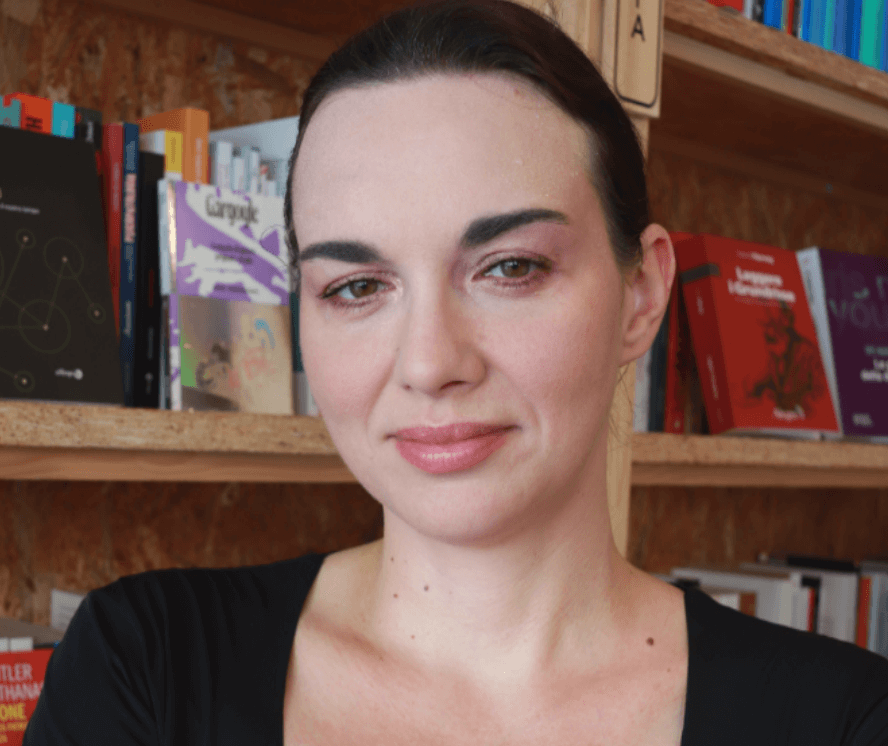
Philosopher and pedagogist, she is co-founder of Tlon, a cultural factory, publishing house and bookshop. She is Philosophical Director of the Festival of Contemporary Thought in Piacenza. A Lecturer in Prompt Thinking at IED in Rome, she collaborates with La Repubblica, Vanity Fair and Radio24. Her latest book, written with Andrea Colamedici, is Botanica della meraviglia. Coltivare lo stupore alla fine del mondo (Harper Collins, 2025).
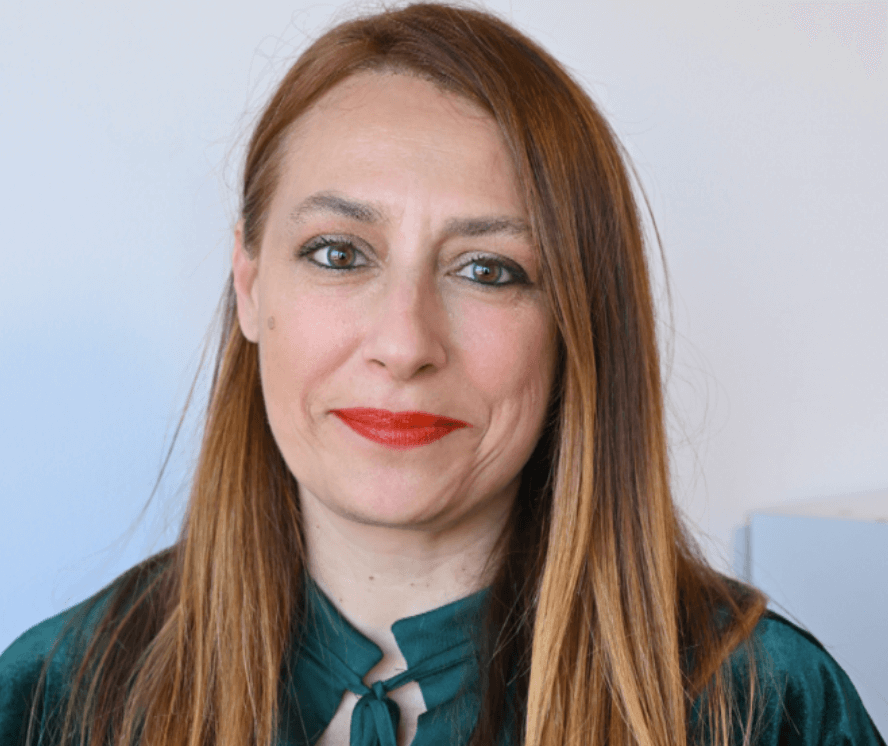
Journalist and writer, she is Senior Editor at the weekly magazine L’Espresso, where she is responsible for the culture pages and curates the books column Bookmarks. She is the author of the historical novel Caterina della notte (Piemme) and of the essay on nostalgia Il grande libro del vintage (Il Saggiatore). Her short stories and other writings have appeared in anthologies and collective volumes. She has created and hosted book-focused web series (BookZ, books for Generation Z, L’Espresso-Gedi). She is Artistic Director of the literary festival Marzamemi Book Fest and regularly teaches courses in cultural journalism.
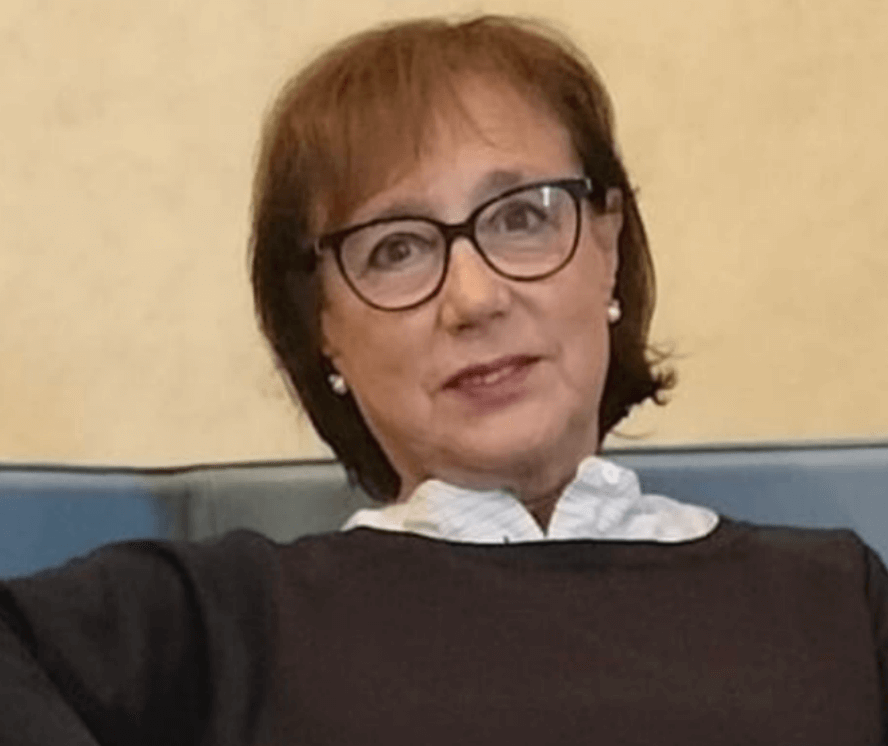
Architect. She worked for many years in schools as an Art History teacher and later as a Head Teacher. In this role she focused on implementing and promoting innovative teaching models for education and training aimed at students, teachers and school leaders. Over the years, she has consistently worked on building school networks, open to institutions and organisations, around themes of culture and intercultural dialogue.
He earned his Ph.D. in Economics from Columbia University in New York. He is Full Professor of Political Economy at the University of Rome “Tor Vergata,” where he directs various Italian and international Master’s programs in Procurement Management and oversees the Bachelor’s degree in Global Governance. He is the co-founder of OReP, the Observatory on the Recovery Plan. He has served as a member of the Council of Experts of the Ministry of the Treasury and as President of Consip S.p.A., and he is an expert in public debt management, public procurement, anti-corruption, and European macroeconomic policy. He co-edited Revisiting Keynes for MIT Press and the Handbook of Procurement for Cambridge University Press. He is also the author of L’interregno, published by Hoepli, on the European economic crisis. He has been a member of the Scientific Committee of the Parliamentary Budget Office and President of the referendum committee for the “Stop Austerity” initiative. He is a regular contributor in the media on the future of Europe and public procurement policies.
TV and digital journalist, she has been a correspondent from Paris for Sky TG24 and, for the same channel, host of the prime-time current affairs talk show Connessi and of the daily press review. Today, with Chora and Will, she hosts the daily video podcast The Essential and develops new live and social journalistic formats.
Vice President of Cineuropa and Senior Curator of Audiovisual Activities at Opera Laboratori, a leading company in the management of some of Italy’s most important museums. She was previously Director General of Roma Lazio Film Commission and President of the association Italian Film Commissions. Earlier in her career she worked as Head of Marketing and Co-Productions for Lazio Film Commission (part of Cinecittà Holding), as Head of Marketing and Development of film and audiovisual activities for Filas, a venture capital fund, for the Italian Institute of Negotiation and the Science of Exchange, and for the Gruppo Must. She is a member of the jury for the David di Donatello awards, of the European Film Academy and of the Premio Strega jury.
To enable students to successfully participate in the simulation, the Delegate Training Course is provided.
The Delegate Training Course takes place in the months leading up to the Model United Nations. The course consists of an 8-hour training day and will be held at a location that will be communicated in advance. It includes a combination of classroom instruction and direct interaction, covering the following topics:
1) History and structure of the United Nations;
2) What is a Model United Nations;
3) Rules of procedure;
4) Drafting a resolution;
5) Committees and topics;
6) Public speaking;
7) AI, Prompt Thinking, Ethics in the use of AI.
Preparation of draft resolutions and position papers as indicated by tutors.
Assisted by the tutors, students will develop shared working methods on cloud platforms.
The most important part of the project is the simulation.
Il primo modulo si articola in una giornata di formazione presso l’Institut Français di Napoli. Le lezioni affronteranno i seguenti argomenti:
1) La nascita dell’Unione europea;
2) L’organizzazione ed il funzionamento delle istituzioni europee;
3) Il Parlamento europeo;
4) La Simulazione del Parlamento europeo – ed il ruolo dei deputati europei.
Preparazione delle bozze di risoluzione e dei position paper come indicato dai tutor.
Coadiuvati dai tutor, gli studenti svilupperanno metodi di lavoro condivisi su Google Classroom.
1) United Nations History;
2) United Nations System.
1) Rules of Procedures;
2) Public Speaking;
3) Model UN test.
1) Rules of Procedures;
2) Public Speaking;
3) Model UN test.
1) Advanced strategies;
2) Resolutions.
During the meeting, information will be given to participants and parents about the departure.
Before participating in the Model United Nations, all students will be required to write a position paper in English, a brief and concise document outlining the represented country’s stance. The students will be guided in this process by the educational staff, aiming to support them both linguistically and content-wise. The position paper will also be evaluated by the board staff of HMUN.
For this project, the school, at its discretion, may grant 70 hours of recognition for the Cross-Curricular Skills and Guidance Paths (Percorsi per le Competenze Trasversali e l’Orientamento), subject to a free subscription with United Network Europe.
There will be alternating moments of frontal teaching and direct interaction, covering the following topics:
1) History and structure of the United Nations;
2) What is a Model United Nations;
3) Rules of procedure;
4) Drafting a resolution;
5) Committees and topics;
6) Public speaking.
1) Committees and topics;
2) How to study the country represented?
3) How to make a position paper?
1) Rules of procedure (advanced);
2) Strategy in committee (advanced);
3) Simulation test;
4) Public speaking (advanced).
1) How to Write a Resolution (Advanced) (2 hours);
2) Pre-departure briefing (1 hour) – attendance at this meeting is open and strongly recommended to parents as well.
Before participating in the Model United Nations, all students will be required to write a position paper in English, which will succinctly outline the represented country’s stance. The students will be guided in the development of their papers by the teaching staff and project coordinators of the school, aiming to support them both in terms of language and content. The position paper will also be evaluated by the simulation’s board staff.
The simulation of the United Nations General Assembly will take place in the city of New York.
1) United Nations History;
2) United Nations System.
1) Rules of Procedures;
2) Public Speaking;
3) Model UN test.
1) Rules of Procedures;
2) Public Speaking;
3) Model UN test.
1) Advanced strategies;
2) Resolutions.
During the meeting, information will be given to participants and parents about the departure.
Before participating in the Model United Nations, all students will be required to write a position paper in English, a brief and concise document outlining the represented country’s stance. The students will be guided in this process by the educational staff, aiming to support them both linguistically and content-wise. The position paper will also be evaluated by the board staff of BMUN.
For this project, the school, at its discretion, may grant 70 hours of recognition for the Cross-Curricular Skills and Guidance Paths (Percorsi per le Competenze Trasversali e l’Orientamento), subject to a free subscription with United Network Europe.
Students will be required to write a position paper in English, outlining the position of the represented country in a brief and concise manner. Students will be guided in this process by the teaching staff, in order to provide support both in terms of language and content.
1) Storia e struttura delle Nazioni Unite;
2) Cos’è un Model United Nations. Regole di procedura (parte I);
3) Regole di procedura (parte II). Prova di simulazione;
4) Studio del paese rappresentato (geografia, economia, politica interna ed estera). Come redigere un position paper; committees and topics;
5) Public speaking;
6) Come redigere una risoluzione.
Nel secondo modulo gli studenti sono chiamati a scrivere un elaborato in lingua inglese, il position paper, in cui tracciare in modo breve e sintetico la posizione del paese rappresentato. Gli studenti saranno guidati nell’elaborazione dallo staff didattico. Il position paper sarà poi oggetto di valutazione da parte dello staff board della simulazione.
La fase più importante del progetto è la simulazione, che si svolge a Tokyo (Giappone).
The course is structured as an 8-hour training day and will cover the following topics:
1) History and Constitutional Law. The Parliament, the Government and its functions;
2) Regulation of the Chamber of Deputies and Rules of Operation of the Simulation;
3) How to write a bill. Topics covered during the simulation (the students will already be distributed within the 4 committees);
4) Simulation test.
Preparation of draft resolutions and position papers as directed by tutors.
Assisted by tutors, students will develop methods of shared work in Google Classroom.
The Training Course will have a total duration of 6 hours. The course will be held at your institution or at a local school.
The lessons will address the following topics:
1) The organs of the state and their functions: the Parliament, the President of the Republic, the Government, the Judiciary, the Constitutional Court;
2) Function of the Chamber of Deputies and composition of parliamentary groups;
3) Regulation of simulation;
4) The legislative process, bills, amendments.
The Delegate Training Course will have a total duration of 6 hours. The course will be held at your institution or at a local delegate school. The lessons will cover the following topics:
1) History and structure of the United Nations;
2) What is a Model United Nations;
3) Rules of Procedure;
4) How to draft a resolution;
5) Committees and topics;
6) Public speaking.